
I Wanted to Keep Up With My Kids. Along the Way, My Relationship With Alcohol Changed.
At 45, with four children, a demanding job and injuries interrupting the sports I loved, I wanted to get healthier. I started with my weight. There was more to the journey than I expected.

I’m 45, and I have four children. As they got older and became more involved in sports, I wanted to be able to keep up with them. I wanted them to see their dad taking care of himself.
I remembered being fit. I used to work out a lot, and I wanted to get back into better shape. I still played hockey and soccer, but extra weight and recurring injuries were making it harder to improve my game.
I had a demanding corporate job, a family and what I describe as high-functioning ADHD. I wanted to make progress with my health within that life.
There was also something that had become part of every evening: two or three beers.
The routine changed, and so did my weight
About four years ago, I went from working five days a week in an office, often for 12 hours a day, to working from home.
It was a very different pace. The job was still demanding, but the structure of my days had changed. During that period, I gained a lot of weight.
Work, raising four children and trying to look after my health were all happening together. My ADHD was part of that picture, too. I’m not suggesting it explains every difficulty I had. It belongs in the story because it’s part of my life.
I knew what it was like to be in better shape because I had been there before. I wanted to find my way back to feeling healthier.
Looking for a place to browse research peptides? Visit Polaris Compounds to explore the available products.
For laboratory research use only. Not for human or animal use. Not medical advice.
I wanted to keep playing
I was still playing sports, but I kept getting hurt.
During soccer, I injured my ankle, my quad and my calf. Hockey brought its share of smaller knocks as well. I wanted to improve as an older athlete, but the injuries and extra weight kept getting in the way.
At the same time, my children were becoming more involved in sports themselves.
That mattered to me. I wanted to keep up with them and set a good example. I wanted taking care of myself to be something they could see me doing.
When I thought about getting healthier, I thought about them. I also thought about the fitness I remembered and how much of it I might be able to regain.
Those were the reasons I wanted to start.
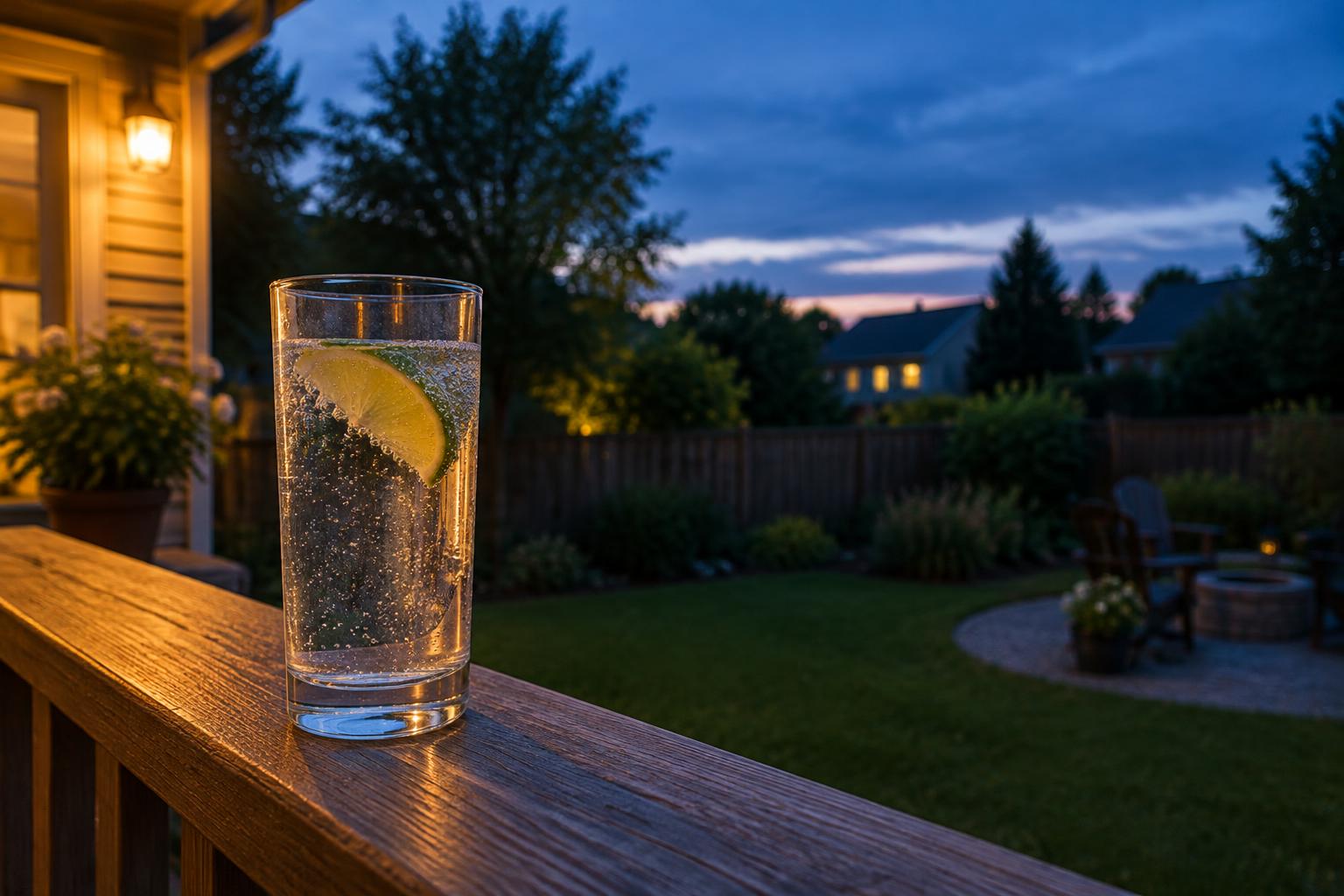
Two or three beers had become part of every night
Alcohol was another part of my routine.
Every night, I would have two or three beers. I wouldn’t describe my life as being in crisis, but drinking had become a daily presence. It had a place in every evening.
Looking back, that frequency is an important part of my story. It can be easy to recognize a routine without giving much thought to how established it has become. For me, the beers were there every night.
Then, during this journey, my desire for them changed.
Where Reta entered the picture
I started Reta with the aim of losing weight. I followed that with a strict diet and daily exercise. Consistency, determination and commitment were a big part of the effort, and my weight began to come down.
After I started Reta, I also noticed that I stopped wanting to drink.
The desire wasn’t there. The want wasn’t there.
That stood out to me because alcohol had been part of every evening. I had been having two or three beers a night, and now I no longer wanted them.
I want to be clear about what I’m saying: this was my experience after starting Reta. I was making other changes at the same time, and I can’t establish that Reta alone caused the change in my desire to drink. My experience can’t tell someone else what will happen to them, and I’m not presenting it as a treatment for drinking.
But the change was significant to me, and it belongs in an honest account of my journey.
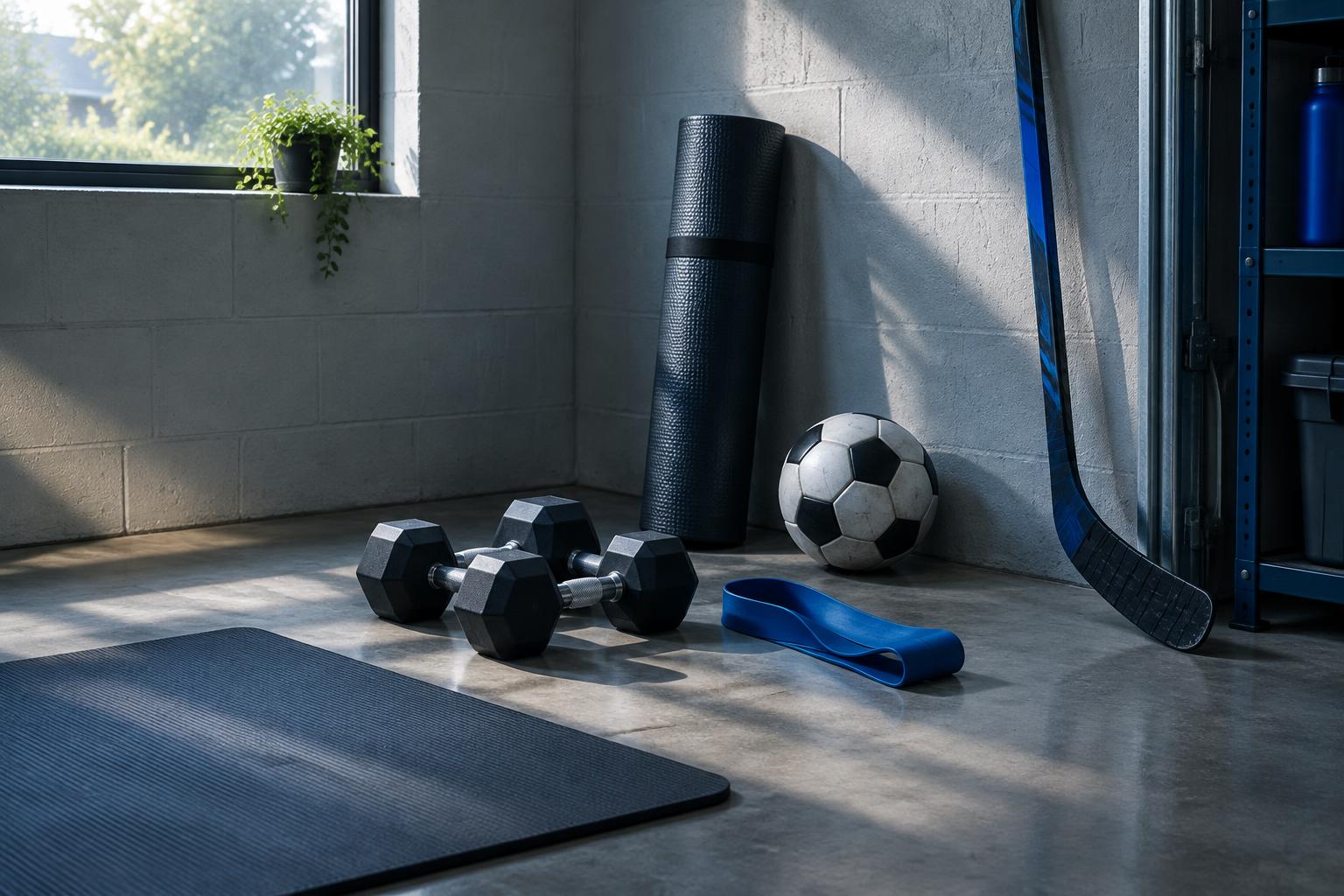
Losing weight brought another question
As the weight came off, I also lost muscle.
That mattered because I wanted to get healthier and improve my ability to play sports. Weight was one part of that. Strength and recovery mattered, too.
The muscle loss led me to start learning more and asking different questions. I began exploring the wider subject of peptides in connection with muscle growth and recovery.
My interest grew out of things I was experiencing myself. I wanted to understand the changes in my body and how to approach the next part of getting healthier.
Peptides became part of that personal journey alongside changes in my diet, daily exercise and the effort to stay consistent. It’s difficult to separate those influences. My story describes what happened to me; it can’t establish what a particular compound will do for someone else.
The number needs some context
I’ve described my progress as wanting to turn back the clock.
One number I’ve shared is a metabolic-age estimate that went from 52 to 32. That is an estimate, and its meaning depends on how it was calculated. It isn’t proof that I reversed aging by 20 years or became biologically 32.
I’m still 45.
When I talk about turning back the clock, I’m talking about wanting to regain some of the fitness I remembered and take better care of my health. The reason behind that effort has stayed the same: my children, the example I set and the sports I still want to play.
Why I’m telling this story
Rebuilt You grew out of this experience.
I know there are other parents trying to fit their health around demanding work and family life. There are other men who remember being fitter, who still want to play sports and who are trying to work through injuries that interrupt them.
Some may recognize the nightly beers, too.
I want to share the parts of my journey that mattered, including the changes I noticed and the questions I still have. If something in my story feels familiar, it may be worth talking through your own concerns with a qualified clinician, whether those concerns involve weight, injuries, sleep or drinking.
For me, this began with wanting to keep up with my children.
They were growing, getting into sports and watching the example I set. I wanted looking after myself to be part of that example.
That is still why this matters.
— Mike
Get the weekly digest
One email a week. Unsubscribe anytime. Privacy Policy.
More in The Dad Life
See all →
Dad Strength: Built for More Than the Gym
Being active with your children is a different kind of personal record.
The Hidden Fitness Cost of a Successful Career
A promotion can quietly consume the hours you once used to train.
Protein, Nutrition and the Working Dad
The hardest meal is often the one between work and practice.

The Rebuilt You Blueprint: Your Next 10 Years
Ordinary weeks shape the next decade more than extreme challenges.
Discussion
Loading comments…