
Recovery After Surgery: Rebuilding the Right Way
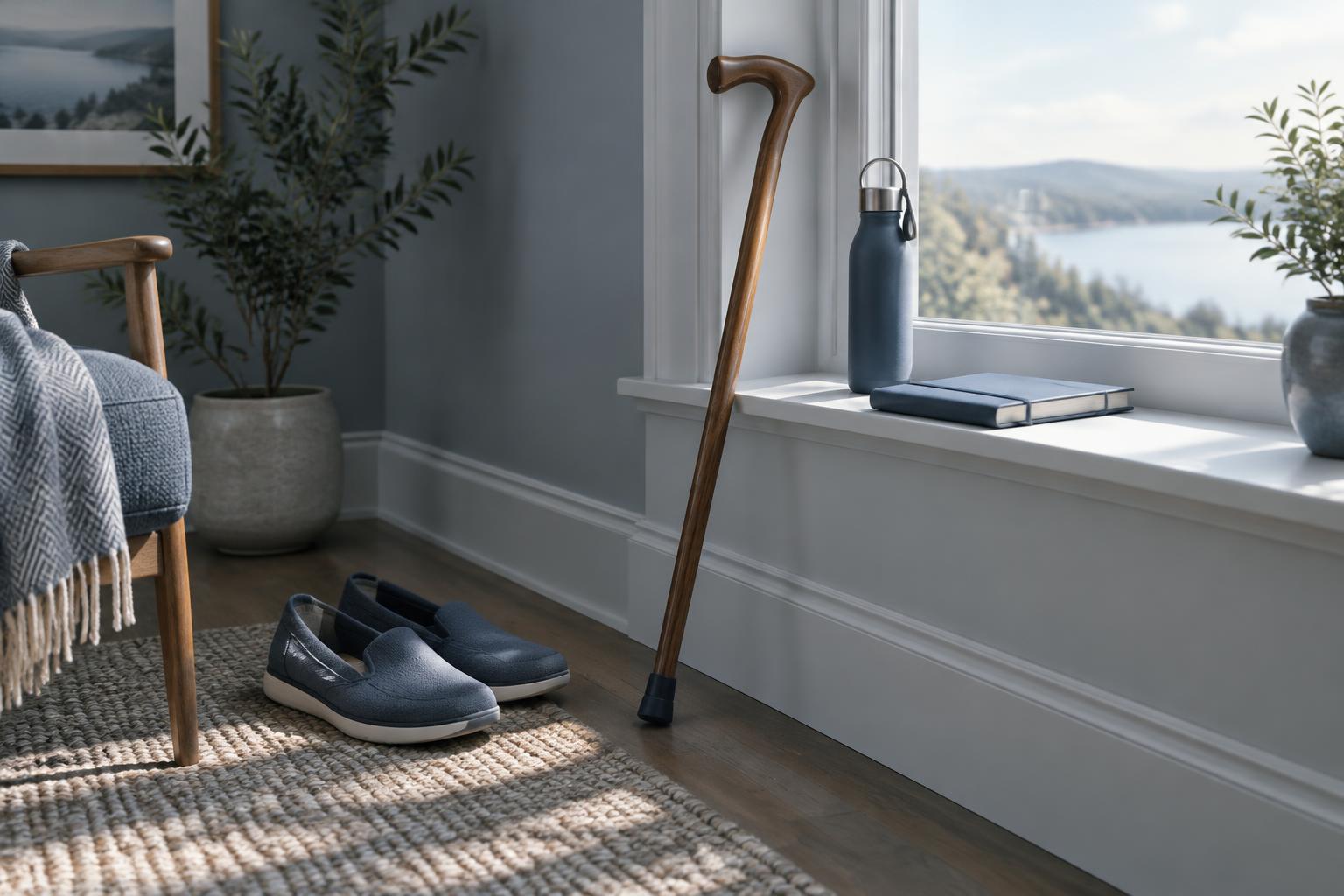
After surgery, progress may mean getting out of a chair comfortably.
Why this matters
After surgery, progress may mean getting out of a chair comfortably. For a man balancing work, family, sport and a changing body, the subject is personal. It is easy to compare today with a younger version of yourself who had fewer responsibilities. But nostalgia is not a training plan. The real question is how to make progress within the life you actually lead. A practical approach begins with what you can repeat, not what looks impressive online.
A more useful way to think about it
Follow your surgical team’s restrictions and clarify rehabilitation milestones before resuming sport. This is not a promise of a particular physique or result. It is a starting point to test against your schedule, preferences and health. If the plan fails whenever work gets busy or a child needs a ride, the plan needs to change. Start with a small action, notice the obstacles, and adapt without treating a missed day as a personal failure.
What the evidence does and does not tell us
Public health guidance recommends regular aerobic activity and muscle-strengthening exercise, but it does not specify a perfect schedule for every father or working professional. Sports-nutrition guidance also emphasizes adequate food, hydration and training before supplements. These recommendations are general; injury history, medical conditions and personal goals may require individual adjustments.
Make it work in real life
Choose a realistic time this week to try the idea. Write down what you will do and how you will know you did it. Make the fallback smaller, not nonexistent. You may need to shorten a workout, move a meal or ask for help protecting your schedule. Consistency is not a personality trait reserved for disciplined people; it is easier when the environment supports it. Review the experiment after two weeks and keep what works.
Where caution belongs
Sharp pain, persistent fatigue, unexplained symptoms or recovery after surgery deserve professional assessment rather than a generic internet fix. Do not assume that all physical changes are simply aging. Advice that works for a healthy recreational athlete may be inappropriate for someone managing a medical condition.
Key takeaway
The takeaway
Respecting healing is part of rebuilding. You do not need a flawless month to start. You need a direction, a few honest commitments and the willingness to adjust when life intervenes. Fitness should help you live more fully, not become another job you are failing to complete.
Further reading
Source for further reading
Get the weekly digest
One email a week. Unsubscribe anytime. Privacy Policy.
More in Recover & Repeat
See all →
Sleep: The Most Underrated Performance Tool
A new workout is easier to buy than an extra hour of sleep.

Train Hard. Recover Smarter. Repeat.
Soreness is not a scoreboard.

Why Your Body Doesn’t Bounce Back Like It Used To
One weekend game can feel harder than an entire season used to.
Getting Back in the Game After an Injury
An injury can feel like losing access to part of yourself.
Discussion
Loading comments…