
What Does 99% Purity Actually Mean?
A percentage on a report can look more reassuring than it is.
Why this matters
A percentage on a report can look more reassuring than it is. For a man balancing work, family, sport and a changing body, the subject is personal. It is easy to compare today with a younger version of yourself who had fewer responsibilities. But nostalgia is not a training plan. The real question is how to make progress within the life you actually lead. A practical approach begins with what you can repeat, not what looks impressive online.
A more useful way to think about it
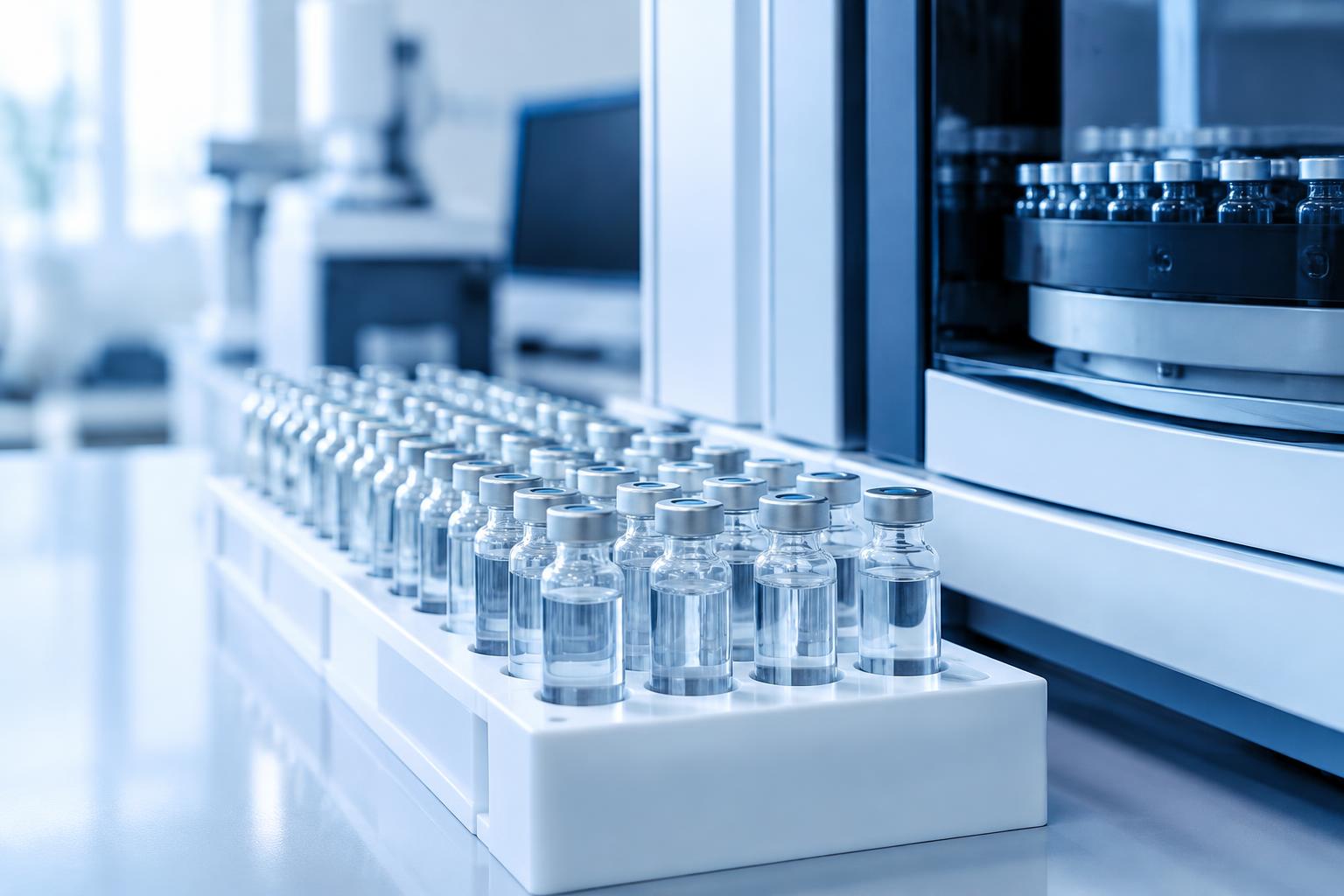
Ask what method measured purity, which batch was tested and whether identity and contaminants were assessed. This is not a promise of a particular physique or result. It is a starting point to test against your schedule, preferences and health. If the plan fails whenever work gets busy or a child needs a ride, the plan needs to change. Start with a small action, notice the obstacles, and adapt without treating a missed day as a personal failure.
What the evidence does and does not tell us
Peptides are a broad group of molecules. Some peptide medicines are approved for specific indications; other compounds promoted for performance or tissue repair are experimental. Cell and animal studies cannot establish effectiveness or safety in humans. The FDA has highlighted safety uncertainties for some compounded peptide substances. Research-use-only labeling is not a reason to self-administer a compound.
Make it work in real life
Choose a realistic time this week to try the idea. Write down what you will do and how you will know you did it. Make the fallback smaller, not nonexistent. You may need to shorten a workout, move a meal or ask for help protecting your schedule. Consistency is not a personality trait reserved for disciplined people; it is easier when the environment supports it. Review the experiment after two weeks and keep what works.
Where caution belongs
A certificate, online testimonial or exciting mechanism is not evidence that an investigational compound is an appropriate treatment. This article does not recommend research chemicals for personal use. Any relationship between Rebuilt You and Rebuilt You should be clearly disclosed, and commercial links require compliance review.
Key takeaway
The takeaway
Analytical purity does not establish clinical safety. You do not need a flawless month to start. You need a direction, a few honest commitments and the willingness to adjust when life intervenes. Fitness should help you live more fully, not become another job you are failing to complete.
Further reading
Source for further reading
Get the weekly digest
One email a week. Unsubscribe anytime. Privacy Policy.
More in The Science Edit
See all →
Beyond Weight Loss: Could GLP-1 Medications Change the Future of Brain Health for Men Over 40?
New research is exploring whether some of the world's most discussed metabolic medications could influence memory, cognitive performance, and the way our brains age.

Peptides and Performance: What Does the Science Say?
A scientific name can travel faster than its evidence.

BPC-157 and Recovery: Research Versus Reality
When you are sidelined, shortcuts sound irresistible.
Testosterone, Energy and the Modern Man
Not every tired man has low testosterone.
Discussion
Loading comments…